Private-label laundry detergent: building a fragrance range
A practical guide for retailers and wholesale buyers: choose laundry formats, compare fragrance samples and turn a scent-led idea into a clear supplier brief.

A fragrance can give a laundry collection a recognisable identity. For a buyer, however, a scent name is only the beginning. The commercial decision also includes the product’s job, pack size, target price position, sample approval process and the information customers need at the shelf.
This guide offers a way to plan a private-label laundry detergent range without starting with a long list of near-identical SKUs. The aim is a small, understandable collection in which each item has a defined role.
Translate social interest into a buying question
A small public-post review for this article found TikTok clips dated 22 and 24 October 2026 discussing wardrobe fragrance and preferences between scent-booster variants. Our Instagram sample included older, promotional fragrance content, including a May 2026 post describing scent notes. These examples suggest questions worth exploring; they do not establish European demand, search volume or sales. The review covered ten hashtag results per platform, with mixed dates and no verified audience geography.
Use social content to collect questions rather than copy a viral routine. Is the discussion about fragrance preference, clear dosing, a tidy utility room, pack convenience or the feel of washed fabrics? Each question leads to a different buying brief. A strong-scent comment might justify comparing fragrance intensity in samples; it is not a reason to promise an untested number of days of freshness.
Give each laundry format a clear job
Begin with the primary product your customer expects. Then decide whether a complementary item adds a different function or merely repeats the same message. Keep the detergent, fabric-conditioning and fragrance propositions clear in the product names and on the pack.
| Format | Buying question | What to request |
|---|---|---|
| Liquid laundry detergent | Which fabrics and washing occasions is the proposed product intended for? | Intended use, directions, proposed pack, dose information and a sample of the specified version. |
| Laundry capsules | Does the format fit the intended customer and retail channel? | Unit weight, pack count, closure details, directions and the relevant product documents. |
| Fabric conditioner | Does it add a distinct proposition to the detergent range? | Intended use, fabric guidance, fragrance options and sample evaluation criteria. |
| Laundry scent beads | Is there a separate customer need for a fragrance-focused product? | Composition information appropriate to the project, directions, scent options and packaging details. |
A matching fragrance name across two formats does not establish that the products have identical fragrance performance or are suitable for use together. Ask the supplier to clarify intended use and review each proposed product according to its own instructions.
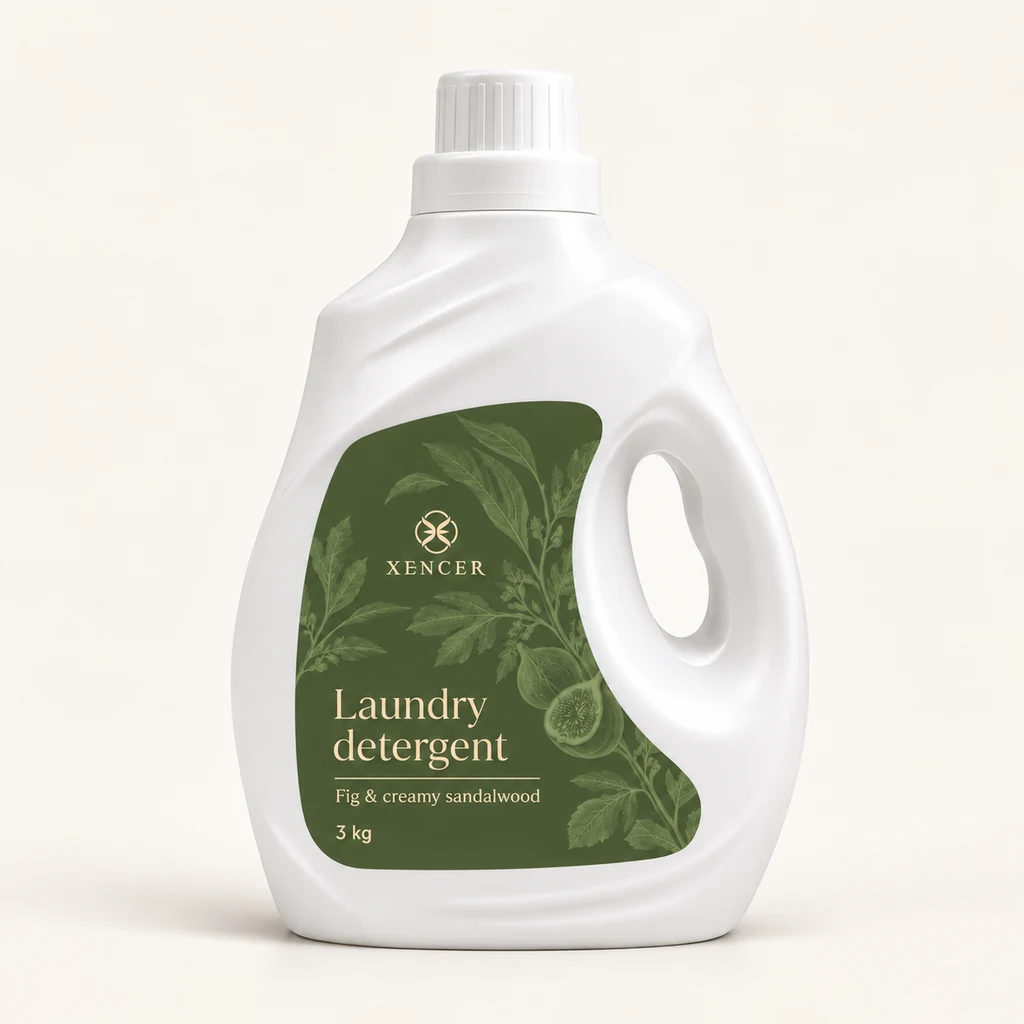
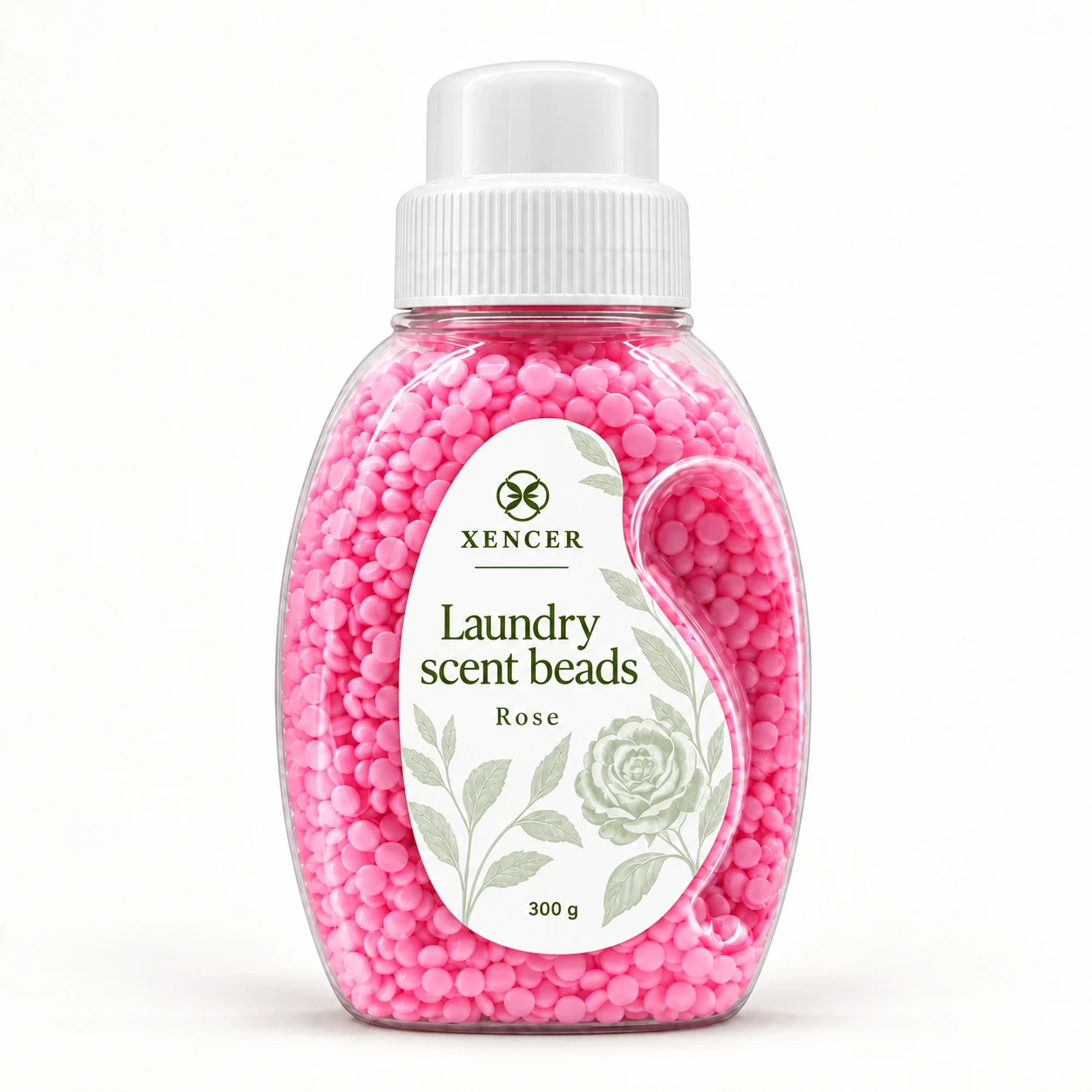
Build a small fragrance architecture
One workable starting brief is a familiar everyday direction and a clearly different alternative. For example, a buyer might compare a fresh or floral direction with a woody direction. This is a planning framework, not a claim that these are the best-selling scents in your country.
- Define the intended customer: a grocery shopper, a specialist home-care customer or a buyer of premium household gifts may look for different pack and fragrance cues.
- Describe the scent in plain language: record the direction, preferred intensity and any notes to avoid. A reference sample is more precise than a mood word alone.
- Keep the roles distinct: explain why a customer would choose variant A instead of variant B. If the answer is only the label colour, reconsider the range.
- Agree the naming separately: a botanical fragrance name describes a scent direction; it does not by itself establish that the formula contains that plant or has a particular environmental benefit.
A market-language check matters too. European supplier pages use terms such as laundry perfume, in-wash scent booster and scent beads for different fragrance formats. Buyers should specify the intended format and use rather than assume every supplier uses those terms in the same way.
Compare samples on the same basis
Create a sample record before the samples arrive. Give each sample a reference, record the version, and separate observations about fragrance, packaging and the product’s intended performance. Use consistent evaluation conditions and the supplied directions; note those conditions alongside the result.
| Review area | Record | Decision |
|---|---|---|
| Identity | SKU or sample code, version and date received | Does this match the requested brief? |
| Fragrance | Direction, perceived intensity and evaluation conditions | Accept, compare an alternative or request an adjustment. |
| Pack handling | Closure, dispensing, grip and label readability | Which changes need a revised packaging sample? |
| Product performance | Agreed criteria, supplied directions and observations | What evidence or further evaluation is still needed? |
| Approval | Approved elements and unresolved points | Is this a fragrance sample, a formula sample or an approved finished-product reference? |
Avoid treating an attractive sample pack as approval of every part of the project. Record exactly what has been accepted and what is still open. A later order should refer to the agreed version so that the quotation, artwork and sample describe the same product.
Plan the pack and the retail story together
Compare net content, container dimensions, closure, case quantity and carton details before making a pack-size decision. Net weight alone cannot tell you how efficiently a product will ship or how it will fit a shelf. Ask for measured packaging information for the specific proposed configuration.
On the front label, make the product type easy to recognise before the fragrance name becomes the main story. On the rest of the pack, plan enough space for the information needed for the intended destination. Agree who supplies and approves directions, statements and artwork. Product claims and destination requirements should be checked for the actual formula and packaging before approval.
Send a brief that can be quoted
- Name the destination country, retail channel and intended customer.
- List the preferred format and catalogue SKU, where applicable.
- Describe the fragrance direction and what you want the sample to demonstrate.
- Give the target net content, packaging preferences and estimated quantity per SKU.
- Separate required features from options you are willing to compare.
- Request sample options, minimum quantities, timing, product documents and a clear quotation scope.
For a starting point, explore the XENCER laundry-care collection and save the variants you want to discuss. Private-label feasibility, minimum quantities, final packaging and commercial terms are confirmed for the selected project.